 With all the options available to audio engineers and producers, it can be daunting to know where to start when it comes to mixing and mastering your audio. The good news is that there are a few core principles and techniques you can use as a foundation for creating a great mix. Understanding these principles will provide you with a strong base to build upon as you become more comfortable with the process. Additionally, mastering the basics of audio mixing will help you make informed decisions about specific plug-ins and processes to use in order to get the sound that you are looking for.
 Audio mixing is the process of taking multiple recorded audio sources and adjusting them in the mix to create a balanced, cohesive track. It is used in a variety of applications, from recording a live performance to creating soundtracks for film and video. With the right knowledge and tools, anyone can become an audio mixer. In this article, we'll provide a comprehensive guide on the fundamentals of audio mixing, from the basics of sound engineering to the more complex processes involved in creating a great sounding mix.
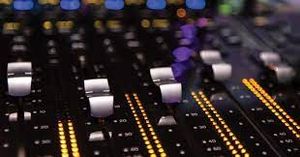 A key part of audio mixing is blending the various audio sources together in a way that sounds both balanced and cohesive. This can be achieved by setting the right levels, adjusting EQ curves, and using effects like panning, compression, and reverb to control the mix. Additionally, automation tools can help you achieve a more detailed mix, allowing you to make adjustments to your sound in real-time. When done properly, blending different audio sources will create a unified sound that can bring your music to life.
 Sound staging is an important element of audio mixing that can help create a more immersive listening experience. By properly placing different audio sources in the stereo field, you can give your mix the sense of depth and space. This can be done by panning certain sounds in the mix to the left or right, or by positioning certain sounds further away from the listener. Alternatively, you can use artificial reverbs and delays to simulate the space of a room or hall.
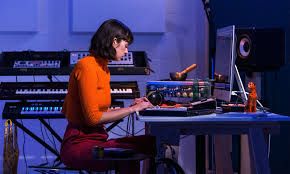 Using sound effects in your mix can add an extra layer of interest and texture to your sound. Effects like distortion, flange, chorus, phasing, and delay can be used to create unique sonic textures that can help make your mix stand out. Additionally, these effects can be used to add subtle nuances to your mix, such as adding a bit of sparkle to your cymbals or adding a sense of movement to a background vocal. As with any other element of audio mixing, it is important to use sound effects tastefully so as not to overwhelm the mix.
 Compression is another essential tool for audio mixing. It can be used to reduce the dynamic range of a signal, allowing you to bring out certain sounds in the mix while still keeping everything under control. Compression can also be used to create a pumping effect, which can add energy and excitement to a track. Lastly, compression can be used to add punch and clarity to individual tracks or to the entire mix.
 One of the most important tools for audio mixing is your ears. Even with all the tools available to us, it's essential to be able to trust your ears and make adjustments that are based on what you hear. When mixing, it's important to listen for elements that may be too loud or too quiet, as well as any potential frequency problems that may be present. It's also important to listen for any unwanted noise or artifacts that may be present in the mix.
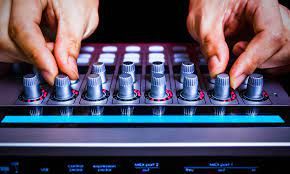 Music production is a multi-faceted process, but mixdown is at its core. The mixdown stage of the production process is where all of the individual tracks and elements are blended together to create the final, unified song. The mixing process requires careful consideration of the various elements of the track in order to create a dynamic and well-balanced sound. Mixing also involves technical adjustments such as EQ, compression, panning, and effects to create a cohesive whole. It's important to pay attention to the overall level and balance of the mix, as well as the dynamics between different elements. With careful consideration and attention to detail, it's possible to achieve a mix that is both vibrant and powerful.
 Audio mixing techniques are an essential part of music production. By taking the time to evaluate the different elements of the song, it is possible to create an engaging mix that stands out from the rest. With careful consideration and attention to detail, it is possible to achieve a professional sounding mix that will make your song shine. Taking the time to experiment with different techniques and settings is the best way to create a unique and interesting sound. It is important to consider the overall level and balance between elements, as well as the dynamics of the mix. Additionally, subtle changes such as compression, EQ, and panning can have a profound effect on the end result. By experimenting and exploring different approaches, it is possible to create a mix that is truly unique and engaging. In the end, audio mixing techniques are an essential part of creating a professional sounding track.

1dray
Love N Life
